Pet Love Paw Line Art: A Designer’s Stitch Review
As a designer who spends more time staring at stitch simulations than I care to admit, I have developed a healthy skepticism toward "cute" graphics. We see thousands of paw prints and heart motifs flood the market every month. Most are cluttered, overly complex, or lack the structural integrity needed for clean embroidery. That is why Pet Love Hand Paw Line Art Design caught my eye. It promises simplicity, but in our trade, simplicity is often the hardest thing to execute well. I wanted to know if this design holds up under the needle or if it falls apart when translated from a digital graphic to thread.
First Impressions: Minimalism with Heart
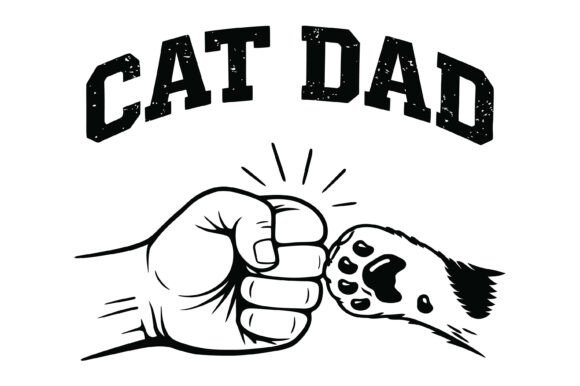
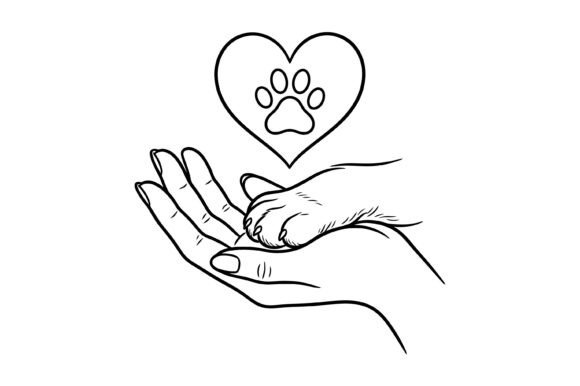
The first thing you notice about Pet Love Hand Paw Line Art Design is its restraint. It combines the silhouette of a human hand and an animal paw—likely dog or cat, given the universal appeal—with a subtle heart motif. This isn’t just clip art; it is a statement about connection. For embroidery, line art is a double-edged sword. If the lines are too thin, they disappear into the fabric texture. If they are too thick, the design loses its delicate, sentimental mood.
Visually, the layout feels balanced. The curvature of the fingers and pads creates a natural flow that guides the eye. For those of us creating T-Shirt Designs or Graphics for print-on-demand, this works beautifully as a standalone chest logo. But for embroidery, the question is always about density. Does it look like a blob from three feet away? In my initial assessment, the open spaces between the hand and paw suggest that this design relies heavily on precise running stitches or fine satin borders rather than heavy fill stitches. This is good news for fabric drape, especially on softer garments.
Real-World Application: The Tote Bag Test
To truly evaluate a design, you have to imagine it on a product. I visualized this design on a canvas tote bag, a staple for any craft business or Etsy seller. Canvas has a distinct weave, which can swallow up fine details. Here, the bold outline style of the Pet Love Hand Paw Line Art Design shines. Because it is primarily line-based, it avoids the stiffness that comes with large areas of fill stitch coverage.
I also considered this for a custom sweatshirt. Hoodies and crewnecks are thick, often fleece-lined. A dense design can make the chest area rigid and uncomfortable. Since this design appears to utilize negative space effectively, it would likely sit comfortably on a heavyweight cotton blend without pulling the fabric. For personalized gift items, such as a memorial piece for a lost pet, the emotional weight of the image combined with the softness of the stitch work creates a high-perceived value. Customers aren't just buying a logo; they are buying a feeling of companionship.
Navigating Fabric and Hoop Constraints
While the design is versatile, it is not without its challenges. Embroidery designers must be realistic about where this works and where it fails. The primary concern with any line-art style embroidery file is stability on stretchy fabrics. If you are planning to put this on a jersey knit t-shirt, you cannot skip the stabilizer. A cut-away stabilizer is non-negotiable here to prevent the running stitches from puckering the fabric over time.
Additionally, consider the hoop size. This design looks best when given room to breathe. Cramping it into a small 4x4 inch hoop for a baby onesie might result in lost detail. The curves of the fingers and the heart element need sufficient scale to maintain their shape. If you are working on baby embroidery projects, I recommend testing the design at a reduced size on scrap fabric first. Ensure the stitch density allows the machine to form clean corners without thread breaks or bird nests.
Dark fabrics present another hurdle. Line art relies on contrast. If you are stitching white thread on a black hoodie, the design will pop. However, if you choose low-contrast thread colors, such as grey on navy, the nuances of the hand-and-paw connection may vanish. Always test your color combinations. A high-contrast palette enhances the professional look of the finished product.
Commercial Viability for Small Shops
For small shop product creators, versatility is key. You want a design asset that can serve multiple niches. This design bridges the gap between pet lovers and general animal care advocates. It fits seamlessly into categories like holiday embroidery for Valentine’s Day gifts or year-round custom apparel for veterinary clinics and pet sitters.
Because you receive this design in multiple formats—including SVG, PDF, JPEG, PNG Transparent, EPS, and AI—you are not limited to embroidery. You can use the vector files for printable mockups, vinyl cutting, or laser engraving. This multi-use potential increases the return on investment for your purchase. As an Etsy seller, being able to offer a matching printed sticker with an embroidered patch creates a cohesive brand experience. The inclusion of editable AI and EPS files means you can tweak the size or adjust minor elements if your specific machine requires it, provided you have the software skills to do so.
Designer Notes: Before You Stitch
Before you commit to a full production run, keep these practical tips in mind:
- Check the License: Always confirm whether the license allows for commercial use of finished items. Most digital embroidery files permit selling physical products, but restrictions on reselling the digital file itself are standard.
- Test Stitch Density: Run a test on your actual garment fabric. What looks good on polyester cap twill might behave differently on cotton linen.
- Inspect Small Details: Zoom in on the heart element. Ensure the transition between the hand and paw lines is smooth. Jagged edges in the digital file will translate to jagged stitches.
- Contrast is King: Use this design on solid-colored fabrics. Patterned fabrics will compete with the line art and reduce readability.
- Stabilizer Selection: For caps and curved surfaces, use a strong backer. The open nature of the design means there is less thread holding the fabric together, making stabilization critical.
Final Verdict
Pet Love Hand Paw Line Art Design is a strong contender for designers looking for emotional, clean, and versatile imagery. It avoids the tackiness of over-designed graphics and leans into the elegance of minimalism. While it requires careful attention to stabilizer and thread contrast, the payoff is a professional, heartfelt embroidered patch or garment detail that resonates with customers. Whether you are creating sweatshirt embroidery for a boutique or a simple tote bag design for a craft fair, this asset delivers both aesthetic appeal and practical usability. Just remember: test first, stitch second, and sell with confidence.